
Understanding Appliance Warranties: What You Need to Know
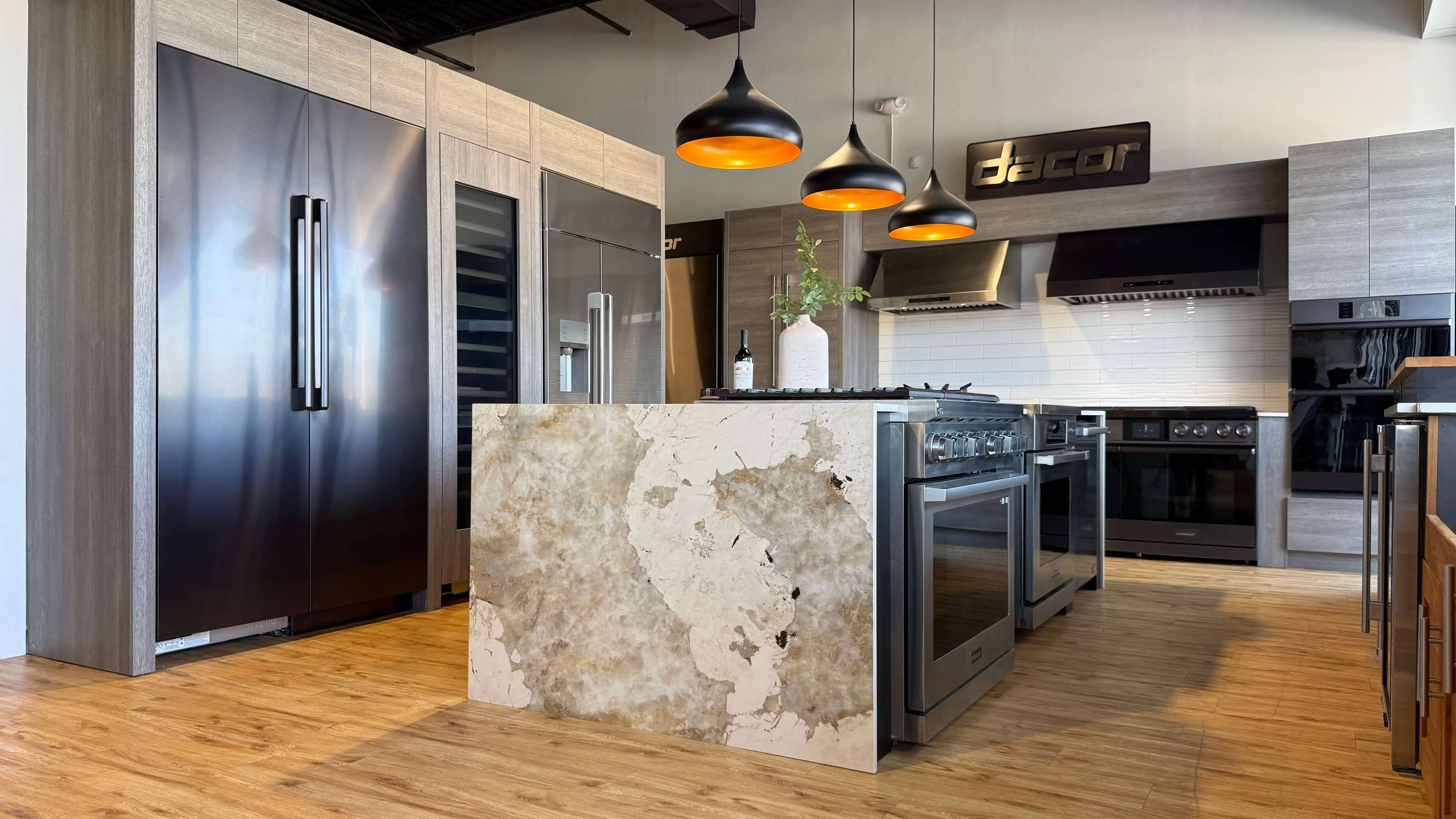
When purchasing a new appliance, whether it’s a refrigerator, washing machine, or microwave, one of the key factors to consider is the warranty. An appliance warranty can save you from unexpected repair costs and provide peace of mind, but not all warranties are created equal. In this guide, we’ll break down what appliance warranties are, what they typically cover, and how to make the most of them.
What is an Appliance Warranty?
An appliance warranty is a guarantee provided by the manufacturer or retailer that covers specific repairs or replacements if the appliance malfunctions within a set period. Warranties are designed to protect consumers from defects in materials or workmanship, ensuring your appliance performs as promised.
Most warranties are either limited or full:
- Limited Warranty: Covers specific parts or issues, often with conditions (e.g., labor costs may not be included).
- Full Warranty: Covers all parts and labor for repairs, typically with fewer restrictions.
What Does an Appliance Warranty Cover?
While coverage varies by brand and product, most appliance warranties include:
- Defects in Materials or Workmanship: If your appliance fails due to a manufacturing flaw, the warranty typically covers repairs or replacement.
- Parts and Labor: Many warranties cover the cost of replacement parts and technician labor, though some may only cover parts.
- Specific Components: High-cost parts, like motors or compressors, may have extended coverage periods.
What’s Typically Not Covered?
- Normal Wear and Tear: Damage from regular use, like worn-out seals or scratched surfaces, is usually excluded.
- User Error or Misuse: If the appliance is damaged due to improper installation, neglect, or misuse (e.g., overloading a washing machine), the warranty may be void.
- Accidental Damage: Issues caused by drops, spills, or other accidents are typically not covered.
- Unauthorized Repairs: If you attempt to fix the appliance yourself or use a non-authorized technician, the warranty may be invalidated.
Manufacturer vs. Extended Warranties
Manufacturer’s Warranty
This is the standard warranty included with your appliance purchase. It’s typically valid for 1–3 years and covers defects in materials or workmanship. Some brands, like LG or Samsung, offer longer warranties on specific parts (e.g., 5 years on sealed systems for refrigerators).
Extended Warranty
An extended warranty, often sold by retailers or third-party providers, extends coverage beyond the manufacturer’s warranty. These can be useful for expensive appliances but may come with higher costs and additional terms. Before purchasing an extended warranty, consider:
- Cost vs. Benefit: Weigh the cost of the warranty against potential repair expenses.
- Overlap with Manufacturer’s Warranty: Ensure the extended warranty doesn’t duplicate existing coverage.
- Reputation of the Provider: Research the warranty provider to avoid scams or unreliable coverage.
Tips for Making the Most of Your Appliance Warranty
- Register Your Appliance: Many manufacturers require you to register your appliance online to activate the warranty. Keep a record of your purchase receipt and serial number.
- Follow Maintenance Guidelines: Regular maintenance, like cleaning filters or descaling a coffee maker, can prevent issues and keep your warranty valid.
- Contact Authorized Repair Services: Use manufacturer-approved technicians to avoid voiding your warranty.
- Check for Recalls: Occasionally, appliances are recalled for safety issues. Check the manufacturer’s website or government recall databases to ensure your appliance is safe and covered.
Why Warranties Matter
A good warranty can save you hundreds of dollars in repair or replacement costs, especially for high-end appliances. For example, repairing a refrigerator compressor can cost $500 or more, but a warranty might cover it entirely. Additionally, warranties reflect a manufacturer’s confidence in their product’s quality, so longer or more comprehensive warranties often indicate a reliable appliance.
Final Thoughts
Before buying an appliance, take time to review the warranty details. Compare coverage periods, what’s included, and whether an extended warranty makes sense for your needs. By understanding your warranty and maintaining your appliance properly, you can enjoy years of hassle-free performance.
Have questions about your appliance warranty or need help choosing the right one? Share your thoughts with us on social media or contact our team for expert advice!
By Linette Capritta 8/11/2025